

Is silver the hidden gem in your investment portfolio? With its market potential and fluctuating prices, silver presents an intriguing prospect for investors. Today, the price stands at approximately $23.50 per ounce, swayed by dynamic factors like economic releases and US dollar value shifts. Understanding these trends is vital for financial decision-making and market adaptation. This article delves into real-time silver price updates, historical data, and influential market variables. Equip yourself with insightful analysis to navigate the silver market landscape and effectively enhance your investment strategies.
Current Silver Price Today
Monitoring the current silver price is crucial for investors and industry stakeholders. As of now, the price stands at approximately $23.50 per ounce. Staying informed about silver's market value can aid in making timely investment decisions and leveraging silver's role as a hedge against inflation and currency volatility.
Silver prices are subject to fluctuation due to various market factors. Key influences include economic data releases, such as employment and GDP reports, which can affect investor sentiment and demand. Inflation rates also play a significant role, as higher inflation often leads to increased interest in precious metals as a protective asset. Changes in the US dollar value can directly impact silver prices since silver is typically traded in dollars, making it more or less expensive for foreign investors.
| Silver Price | Market Factors |
|————–|—————-|
| $23.50/oz | Economic data releases, inflation rates, US dollar value changes |
To effectively track these daily fluctuations, investors can utilize online tools and widgets that provide real-time updates. These platforms offer insights into price movements and allow users to set alerts for specific price points. By leveraging these resources, individuals can navigate the complexities of the silver market with greater confidence and precision.
Historical Silver Prices and Trends
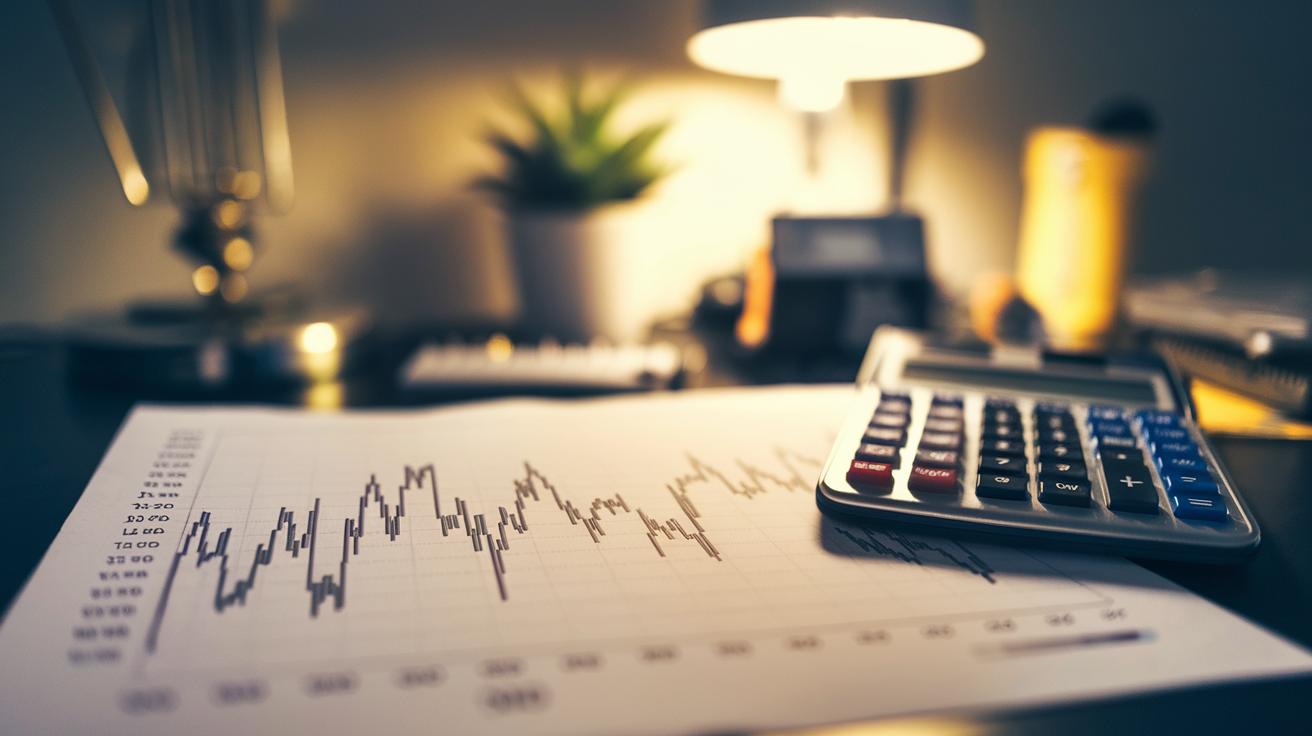
Understanding historical silver price trends is vital for investors, economists, and industry professionals. Historical data offers insights into how silver has responded to economic shifts, geopolitical events, and changes in supply and demand dynamics. By analyzing past trends, stakeholders can make informed decisions and anticipate potential market movements. Silver's historical performance can serve as a benchmark for evaluating its current and future value, providing context for today's prices and market behavior.
Significant historical price points include notable highs where silver surpassed $30 per ounce. These peaks often correspond to periods of economic uncertainty or inflationary pressure, where investors seek refuge in precious metals. Events such as financial crises or changes in government policy can drastically affect silver prices, leading to significant volatility. Understanding these historical events helps to contextualize current market conditions and potential future scenarios.
Analyzing silver price trends is facilitated by weekly and monthly graphs that offer a visual representation of price movements over time. These graphs provide a clear picture of how silver prices have evolved, highlighting patterns and anomalies. Investors often use these tools to identify trends, such as bullish or bearish phases, and to track the impact of specific events on silver's market value. Access to such analytical tools enhances the ability to forecast future price trajectories.
| Date | Price (₹/gram) |
|————|—————-|
| 2025-03-01 | 98 |
| 2025-03-02 | 97.5 |
| 2025-03-03 | 98.2 |
| 2025-03-04 | 98.7 |
| 2025-03-05 | 99 |
| 2025-03-06 | 99.3 |
| 2025-03-07 | 98.8 |
| 2025-03-08 | 98.5 |
| 2025-03-09 | 99.2 |
| 2025-03-10 | 99.5 |
Historical trends can significantly inform future predictions, offering a foundation for forecasting market behavior. By recognizing recurring patterns and understanding the underlying causes of price fluctuations, investors can develop strategies to mitigate risks and capitalize on potential gains. Historical analysis provides a roadmap for anticipating market reactions to economic indicators and external factors, thus enhancing the ability to make strategic investment decisions.
Factors Influencing Silver Prices Today
Silver prices are primarily influenced by several key economic factors, which together create a dynamic and often unpredictable market environment. One major factor is economic data releases, such as employment statistics and GDP growth rates, which can sway investor confidence and affect market demand. Inflation rates are another critical element; as inflation rises, the appeal of silver as a protective asset increases, driving up its price. Additionally, fluctuations in the US dollar value significantly impact silver prices. Since silver is predominantly traded in US dollars, any alteration in the dollar's strength can make silver more or less attractive to foreign investors, thereby influencing its market price.
The demand for silver is heavily shaped by its diverse industrial applications, which include:
- Electronics: Silver's high conductivity makes it essential in the manufacturing of electronic components.
- Solar Panels: The photovoltaic industry relies on silver for its efficiency in energy conduction.
- Jewelry and Silverware: Silver's aesthetic appeal continues to drive demand in the luxury goods market.
- Healthcare: Silver's antibacterial properties are utilized in medical equipment and treatments.
- Automotive: The automotive industry uses silver in various electronic systems, enhancing vehicle performance.
These industrial applications underscore the metal's vital role in various sectors, thereby affecting its demand and price.
The interplay of these economic factors and industrial applications contributes to the inherent volatility of silver prices. As economic conditions fluctuate, so does the perception of silver's value as a safe haven, leading to swift changes in investor behavior. Industrial demand can also shift due to technological advancements or changes in consumer preferences, further impacting silver's market price. Understanding these factors is crucial for stakeholders looking to navigate the complexities of the silver market effectively.
Silver Price Comparison with Other Precious Metals
The current silver price is approximately $23.50 per ounce, while gold is valued significantly higher, reflecting its status as a long-standing symbol of wealth and stability. Silver and gold each have distinct appeals for investors; gold is often seen as a safe haven during times of economic uncertainty, whereas silver's lower price point and versatile industrial applications make it attractive for both investment and manufacturing purposes. While gold typically exhibits less price volatility, silver's market behavior is more dynamic, presenting opportunities for substantial gains or losses. This characteristic draws investors seeking to capitalize on short-term market movements.
Gold-Silver Ratio Analysis
The gold-silver ratio, a key metric in evaluating the relative value of these two precious metals, indicates how many ounces of silver are required to purchase one ounce of gold. Historically, this ratio fluctuates, influenced by varying supply and demand dynamics for both metals. Investors often use the gold-silver ratio to inform their strategies, adjusting their portfolios based on perceived overvaluation or undervaluation of silver relative to gold. A high ratio may suggest that silver is undervalued compared to gold, potentially prompting investors to increase their silver holdings in anticipation of a market correction that would bring the ratio closer to its historical average.
Silver's role as a hedge against economic instability is underscored by its performance during periods of inflation and currency devaluation. As a tangible asset, silver retains intrinsic value, providing a buffer against the eroding effects of inflation on purchasing power. This makes silver an appealing option for investors looking to diversify their portfolios and protect against the volatility inherent in financial markets. As economic conditions fluctuate, silver's dual appeal as both an industrial metal and an investment asset reinforces its position as a critical component of a balanced investment strategy.
Predicting Future Silver Prices
In the near term, market analysts anticipate potential increases in silver prices, driven by factors such as economic recovery and rising industrial demand. The trajectory of silver prices is closely linked to macroeconomic indicators, with the metal often benefiting from conditions that spur economic growth and industrial activity. As economies recover from downturns, the demand for silver in industrial applications, including electronics and renewable energy, is expected to rise, potentially leading to upward price movements. Furthermore, geopolitical tensions and monetary policy decisions can create conditions favorable for silver as a safe-haven asset, adding to its appeal among investors seeking stability.
- Economic Recovery: As global economies rebound, increased industrial activity may boost demand for silver.
- Industrial Demand: Technological advancements and the expansion of green technologies rely on silver, potentially increasing its value.
- Geopolitical Tensions: Uncertainty in global politics can enhance silver's appeal as a safe-haven investment.
- Monetary Policy: Central bank actions, such as interest rate adjustments, can influence investor sentiment towards silver.
Investors can utilize these predictions by adjusting their portfolios to capitalize on potential price movements. By monitoring economic indicators and staying informed about industry trends, investors can strategically invest in silver, aiming to benefit from periods of growth and increased demand. Additionally, understanding the impact of geopolitical and monetary developments allows investors to navigate risks and optimize returns, making silver an integral part of a diversified investment strategy.
Final Words
Navigating the complexities of silver price today involves understanding current price fluctuations, historical trends, and influencing factors. Recognizing the dynamic nature of the market, individuals can leverage real-time updates to make informed decisions. Historical patterns reveal significant price points and help anticipate future movements.
Analyzing daily fluctuations requires attention to economic indicators and industrial demand, while comparing silver with other precious metals highlights its unique investment value. By combining these insights, investors and enthusiasts alike can better predict silver's future. The continuous analysis of silver prices not only enhances financial strategies but also strengthens one's grasp of market dynamics, fostering an optimistic outlook for those invested in silver.
FAQ
Gold price today, Gold and silver price today, Price of silver per ounce today?
The price of silver per ounce today is approximately $23.50. It's crucial to monitor gold and silver price changes as they provide insights into market trends and influence investment decisions.
How much is 1 oz of silver right now?
One ounce of silver is currently priced at roughly $23.50. This rate can vary based on market fluctuations and economic indicators.
Will silver hit $50 dollars an ounce?
Market predictions suggest that reaching $50 per ounce depends on factors such as economic recovery and industrial demand, with no guarantee of reaching this specific value.
What will silver be worth in 5 years?
Predicting silver's worth in 5 years involves considering economic recovery, inflation, and industrial demand, which could drive potential increases in its price.
Will silver go over $100 an ounce?
Silver reaching over $100 an ounce would require significant economic and industrial shifts, making it a possibility but highly uncertain.
How to track current silver prices?
Real-time silver prices can be tracked using financial news websites, apps, and platforms providing live market data and updates.
What factors influence silver prices today?
Silver prices are affected by economic data releases, inflation rates, and changes in the US dollar value, as well as silver's industrial applications.
Why compare silver prices with other precious metals?
Comparing silver with gold and other metals helps investors understand market dynamics, including the gold-silver ratio, enhancing informed decision-making.
How do historical silver price trends help?
Understanding historical silver prices helps investors analyze market patterns and make informed predictions about future price movements.


