

Can interest rates set by the Federal Reserve make or break the economy? The delicate balance of economic stability often rests upon these pivotal decisions. In 2023, as the Federal Reserve upholds its current stance under the leadership of Chair Jerome Powell, the phrase "no hurry to cut interest rates" reverberates through the financial world. This indifference sparks debate on the intricate interplay between monetary policy, economic volatility, and future forecasts. This article delves into how Federal Reserve interest rates shape the economic landscape, influencing everything from mortgage rates to financial market stability.
Understanding Federal Reserve Interest Rates
Federal Reserve interest rates, set by the Federal Reserve Board of Governors, are vital tools in monetary policy. These rates serve primarily to influence economic activity by adjusting the cost of borrowing and the reward for saving. When the Federal Reserve modifies interest rates, it directly affects the supply of money in the economy. Lower rates generally aim to stimulate economic growth by making borrowing cheaper, encouraging businesses to invest and consumers to spend. Conversely, higher rates are used to cool down inflation by making borrowing more expensive, thereby reducing spending and investment.
- Mortgage rates
- Savings account yields
- Borrowing costs
- Consumer spending
- Financial market stability
The Federal Reserve's current stance, articulated by Chair Jerome Powell, reflects a strategic patience in altering interest rates. Despite market volatility and economic shifts, the decision to maintain steady rates as of October 2023 underscores a commitment to stability. This approach considers the complex interplay of global economic conditions, inflation trends, and domestic fiscal policies. By choosing not to rush into rate cuts, the Federal Reserve aims to provide a buffer against potential economic disruptions, ensuring a balanced and measured response to evolving economic indicators.
The Federal Reserve's Decision-Making Process
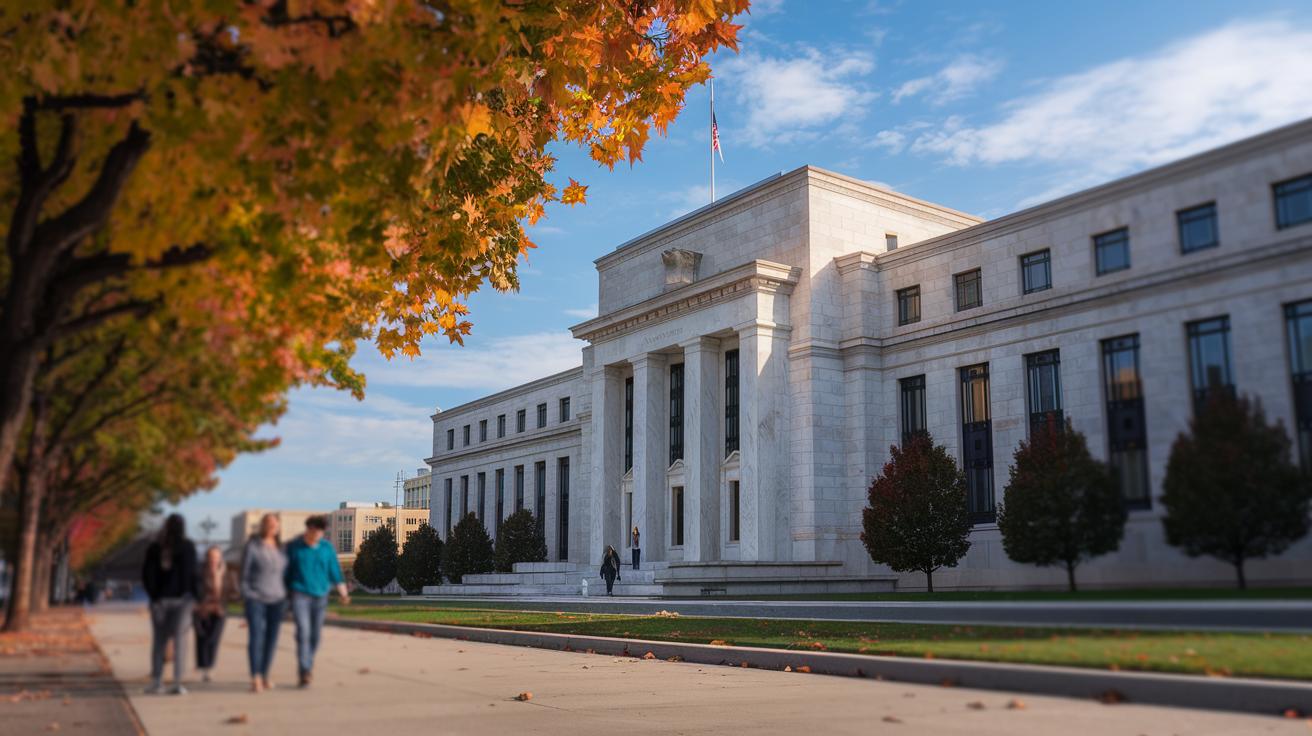
The Federal Open Market Committee (FOMC) is central to the Federal Reserve's decision-making process regarding interest rates. Comprising twelve members, including the Board of Governors and five Reserve Bank presidents, the FOMC meets regularly to assess economic conditions and set monetary policy. Their primary responsibility is to evaluate how interest rates should be adjusted to maintain economic stability, focusing on dual mandates: promoting maximum employment and ensuring price stability.
Analysis Process
What key economic indicators does the FOMC consider when deciding on interest rates? Precision: Inflation, employment levels, and overall market conditions are primary indicators.
The FOMC scrutinizes inflation trends to ascertain price stability, monitoring the Consumer Price Index (CPI) and the Personal Consumption Expenditures (PCE) price index. Employment rates offer insights into labor market health, influencing decisions to stimulate or restrain economic activity. Market conditions, including GDP growth, global economic trends, and fiscal policies, are evaluated to understand their potential impact on domestic economic performance. This comprehensive analysis ensures informed and balanced rate decisions, aiming to foster sustainable growth without triggering undue inflationary pressures.
Rate Decision Timeline
How often does the Federal Reserve meet to discuss interest rate changes? Precision: The FOMC typically meets eight times a year.
These meetings are strategically scheduled approximately every six weeks. During these sessions, the committee reviews economic forecasts and current data to determine appropriate monetary policy actions. Announcements regarding rate adjustments are made shortly after each meeting, providing transparency to the public and financial markets. This regular schedule allows the FOMC to remain responsive to evolving economic landscapes and ensures that policy adjustments are timely and reflective of the latest economic insights.
Historical Context and Trends in Federal Reserve Interest Rates
How have historical interest rates been used to manage economic conditions? Precision: The Federal Reserve has historically adjusted interest rates to influence economic stability by responding to indicators like inflation and employment levels.
Interest rate hikes and cuts have served as critical tools for managing economic growth and controlling inflation. By increasing rates, the Federal Reserve can dampen excessive economic activity and curb inflation. Conversely, rate cuts are typically implemented to spur economic growth during downturns by lowering borrowing costs and encouraging spending and investment.
- 1987 rate hike to curb inflation
- 2008 rate cuts during the financial crisis
- 2015 rate increase amid economic recovery
- 2020 cuts in response to the COVID-19 pandemic
- 2022 hikes to manage rising inflation
- 2023 steady rates for economic stability
Recent trends in Federal Reserve interest rates reflect a strategic response to contemporary economic challenges. After the significant cuts in 2020 to buffer the economy against the pandemic's impact, the subsequent 2022 hikes were necessary to address surging inflation. These adjustments demonstrate the Federal Reserve's focus on maintaining a delicate balance between fostering economic growth and controlling inflationary pressures. The decision to keep rates steady in 2023 indicates a cautious approach, aimed at maintaining stability in an uncertain global economic environment. By closely monitoring economic indicators, the Federal Reserve continues to play a pivotal role in steering the economy towards sustainable growth.
The Impact of Federal Reserve Interest Rates on Personal Finance

How do Federal Reserve interest rates affect consumer loans? Precision: Changes in these rates directly influence the cost of borrowing for consumer loans.
When the Federal Reserve adjusts interest rates, it impacts the interest charged on consumer loans, such as credit cards, mortgages, and auto loans. A decrease in the Federal Reserve's rate often leads to lower borrowing costs, making loans more affordable for consumers. However, this reduction doesn't always translate immediately to consumer interest rates, as lenders may delay adjusting their rates due to existing financial conditions. Conversely, an increase in the Federal Reserve's rate typically results in higher costs for borrowing, which can dampen spending behavior and restrict access to credit.
- Credit card interest rates
- Mortgage and auto loan costs
- Savings account interest yields
- Investment returns
- Debt repayment strategies
Individuals can adapt their financial strategies by closely monitoring changes in interest rates and adjusting their spending and saving habits accordingly. During times of rising rates, it may be beneficial to focus on paying down high-interest debt, as the cost of borrowing increases. When rates are lowered, consumers might consider refinancing existing loans to take advantage of better terms or increasing their investments to benefit from higher potential returns. By staying informed about Federal Reserve interest rate changes, individuals can make more strategic financial decisions that align with their long-term goals.
Future Projections and Economic Implications of Interest Rate Changes
What do analysts forecast for future Federal Reserve interest rates? Precision: Analysts anticipate that future interest rate changes will be closely tied to economic indicators such as inflation, economic growth, and unemployment figures.
Federal Reserve interest rate forecasts suggest a cautious approach, with adjustments contingent on evolving economic conditions. As inflation remains a significant concern, rates may rise to counteract price increases, ensuring that inflation does not erode purchasing power. Economic growth plays a stabilizing role, where steady growth could maintain current rates. Additionally, unemployment trends are critical, as rising unemployment might prompt rate cuts to stimulate job creation. These projections underscore the Federal Reserve's commitment to data-dependent decision-making, balancing inflation control with sustainable economic expansion.
|Factor|Impact|
|—|—|
|Inflation rates|Pressure on rate increases|
|Economic growth|Stability in rate changes|
|Unemployment trends|Potential for rate cuts|
|Global economic conditions|Influence on Federal Reserve policy|
Future interest rate shifts will have far-reaching economic implications. Higher rates, driven by inflationary pressures, could elevate borrowing costs, potentially dampening consumer spending and business investments. Conversely, if economic growth is robust, it may support stable interest rates, encouraging continued economic activity. Should unemployment rise, rate cuts might be necessary to spur economic recovery and job creation. Global economic conditions, including geopolitical events and trade dynamics, further complicate these projections, as they can swiftly alter the economic landscape, necessitating swift policy adjustments. By remaining vigilant and responsive, the Federal Reserve aims to navigate these complexities, striving for a balanced and resilient economic environment.
Final Words
Examining the Federal Reserve's interest rate strategies, this article highlights the integral role rates play in the economic landscape.
The Federal Reserve's careful scrutiny through meetings and data evaluation shapes these decisions, informed by historical patterns and future projections.
With interest rates impacting personal finance from mortgage rates to credit card debts, understanding these shifts remains crucial.
Looking ahead, economic indicators such as inflation and unemployment will guide future rate adjustments. Insights into Federal Reserve interest rates empower individuals to better navigate their financial journeys.
FAQ
What is the current Federal Reserve interest rate?
The Federal Reserve's interest rate as of October 2023 remains a key economic factor, influencing mortgage rates, savings yields, and broader financial markets.
When is the next Fed interest rate decision?
The next Federal Reserve interest rate decision is scheduled for an upcoming Federal Open Market Committee (FOMC) meeting, typically held every six weeks. Exact dates can vary, emphasizing timely observation.
Will the interest rate drop in 2025?
Interest rate changes in 2025 will depend on economic indicators like inflation, employment, and market stability. Analysts provide forecasts, but actual changes align closely with data-driven insights from the Federal Reserve.
Who benefits from higher interest rates?
Higher interest rates typically benefit savers through increased savings account yields, while lenders gain from higher borrowing costs. Conversely, they can increase costs for borrowers with loans and credit lines.
How do Federal Reserve interest rates impact mortgage rates?
Federal Reserve interest rates directly influence mortgage rates, affecting borrowing costs. As rates increase, mortgage costs generally rise, impacting homebuyers and homeowners with variable-rate mortgages.
What is the historical trend of Federal Reserve interest rates?
Historically, Federal Reserve rates have responded to economic conditions like inflation and employment. Notable shifts include 1987 rate hikes and 2020 cuts, reflecting economic management strategies over the years.
How can individuals adapt to changes in interest rates?
Individuals can adjust financial strategies by refinancing loans, adjusting savings strategies, or monitoring investment portfolios to align with fluctuating interest rates, ensuring financial decisions remain optimized for current economic conditions.


