

Is the inflation rate spiraling out of control, or is it a myth bred by economic paranoia? Understanding the inflation rate dynamics requires peeling back the layers of economic complexities. This comprehensive exploration of 2023's inflation trends reveals crucial insights, from a detailed look at how inflation is measured, using metrics like the Consumer Price Index, to the key factors influencing this year's economic balance. With an accurate grasp of these elements, individuals and policymakers alike can navigate the financial landscape with clarity and confidence.
Understanding the Inflation Rate: A Comprehensive Overview
Inflation, a fundamental economic concept, represents the rate at which the general level of prices for goods and services rises, eroding purchasing power. How significant is inflation in economics? Inflation reflects the health of an economy, influencing monetary policy decisions and impacting consumer spending. Economists and policymakers monitor inflation to maintain economic stability, ensuring that it remains within a target range. Typically, a moderate inflation rate is viewed as beneficial, promoting spending and investment. Conversely, high inflation can lead to economic instability, while deflation, the opposite of inflation, can stifle economic growth by encouraging consumers to delay purchases.
- Consumer Price Index (CPI)
- Personal Consumption Expenditures (PCE) Price Index
- Inflation Rate Formula
Understanding inflation is crucial for both economic planning and personal finance. Why should individuals care about inflation in their financial planning? Inflation directly affects the cost of living, savings, and investments. For instance, if inflation outpaces wage growth, consumers' purchasing power diminishes, making it harder to afford basic necessities. In the realm of personal finance, accounting for inflation helps individuals plan for future expenses, ensuring their savings retain value over time. By grasping these dynamics, individuals and businesses can make informed decisions, adapting to changing economic conditions and safeguarding their financial well-being.
Current Inflation Rate Insights and Trends in 2023

As of October 2023, the U.S. inflation rate stood at approximately 3.7%, according to the most recent Consumer Price Index (CPI) data, which reached 317.671. How does this compare to earlier years? This rate represents a decline from the inflation spikes experienced in the past few years, marking a stabilizing trend. The decline is part of a broader trajectory showing a reduction in inflationary pressures, contributing to a more balanced economic environment. This stabilization has been pivotal in restoring consumer confidence and encouraging spending.
What are the primary economic factors influencing inflation in 2023? Several key elements have played a role in shaping the inflation landscape this year. The resolution of supply chain disruptions has significantly eased cost pressures across various sectors, particularly in manufacturing and distribution. Moreover, monetary policies implemented by the Federal Reserve, including interest rate adjustments, have been crucial in tempering inflation. These strategies have curtailed excessive demand, aligning it more closely with supply, thus mitigating inflationary pressures.
Looking ahead, what do experts predict for the inflation rate in the coming months? Economists anticipate that the inflation rate will continue its gradual descent, potentially reaching more historically stable levels by the end of the year. This outlook is bolstered by ongoing improvements in global supply chains and the anticipated stabilization of energy prices. As these factors continue to unfold, they are expected to support a more predictable inflation environment, fostering economic stability and growth.
| Month | Inflation Rate |
|---|---|
| January | 4.0% |
| February | 3.9% |
| March | 3.8% |
| April | 3.6% |
| May | 3.5% |
| June | 3.4% |
| July | 3.3% |
| August | 3.5% |
| September | 3.6% |
| October | 3.7% |
| November | 3.8% |
| December | 3.9% |
Historical Inflation Rate Trends and Their Impact
What are some significant historical inflation events? The U.S. has experienced several notable inflation peaks, each driven by distinct economic forces. The Great Depression saw deflation as demand plummeted during economic collapse. In contrast, post-World War II inflation emerged from pent-up consumer demand and supply shortages. The 1970s stagflation, characterized by high inflation and unemployment, stemmed from oil price shocks and policy missteps. The 2008 Financial Crisis led to deflationary pressures as financial systems faltered, requiring substantial monetary intervention. More recently, post-pandemic inflation has surged due to disrupted supply chains and unprecedented fiscal stimulus.
- The Great Depression
- Post-World War II Inflation
- 1970s Stagflation
- 2008 Financial Crisis
- Post-Pandemic Inflation
How have these historical trends shaped economic policy and consumer behavior? Long-term impacts of these inflationary periods have been profound. Policymakers have learned to anticipate and respond to inflationary pressures more effectively, utilizing tools like interest rate adjustments and quantitative easing. Consumers, on the other hand, have become more vigilant, often adjusting spending habits based on inflation expectations. These historical lessons underscore the importance of maintaining economic stability, as excessive inflation or deflation can erode purchasing power, discourage investment, and trigger broader economic disruptions. By understanding these past trends, both policymakers and consumers can better navigate future economic challenges.
The Relationship Between Inflation and Interest Rates
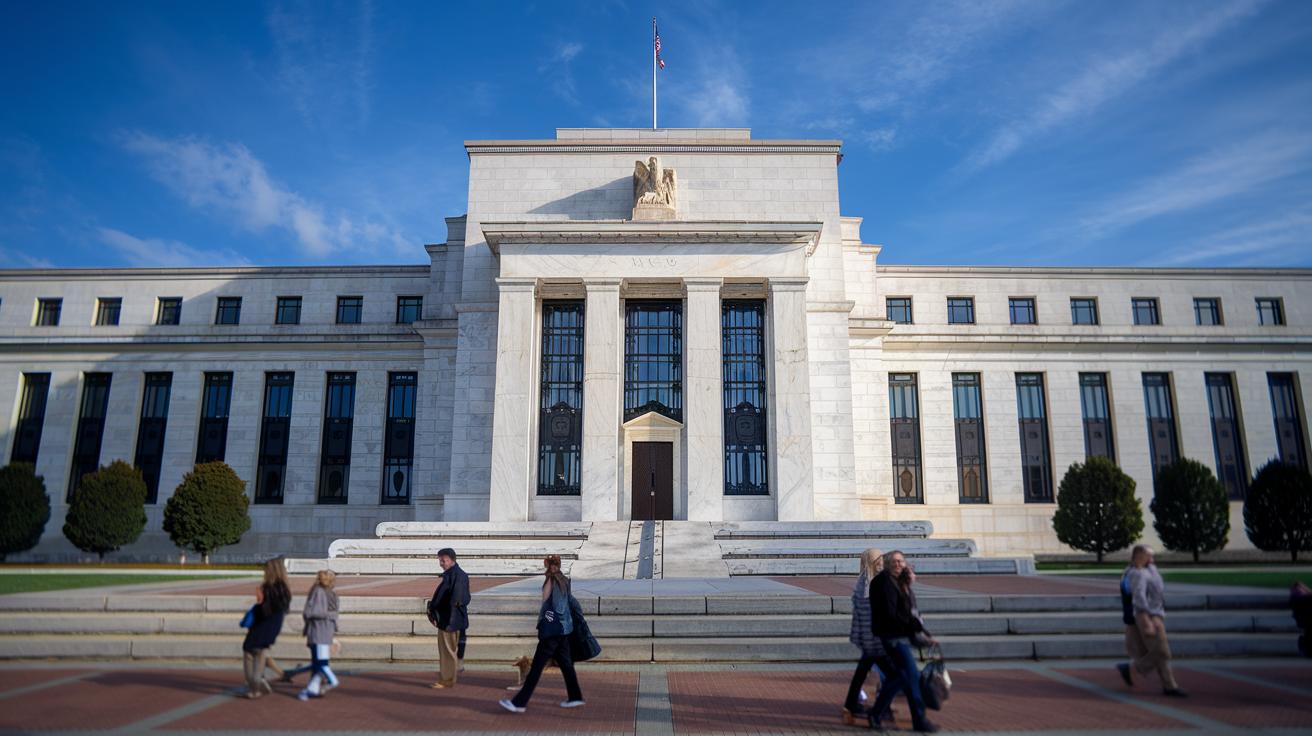
What is the relationship between inflation and interest rates? The interaction between these two critical economic variables is fundamental to economic stability. When inflation rises, central banks, like the Federal Reserve, often increase interest rates to curb spending and borrowing, thereby reducing inflationary pressures. Conversely, when inflation is low or deflationary trends arise, lowering interest rates can stimulate economic activity by making borrowing cheaper. This balancing act aims to maintain a healthy inflation rate, ideally around 2%, as this level supports economic growth without eroding purchasing power excessively.
Federal Reserve Strategies
How does the Federal Reserve manage inflation and interest rates? The Federal Reserve employs several tools and policies, primarily focusing on interest rate adjustments and quantitative easing. Interest rate adjustments, such as the federal funds rate, directly influence borrowing costs for consumers and businesses, thereby affecting spending and investment levels. Quantitative easing involves purchasing government securities to inject liquidity into the economy, promoting lending and investment. These strategies are pivotal in guiding the economy toward a stable inflation environment, ensuring that inflation neither accelerates uncontrollably nor falls into deflationary territory.
How do these interactions impact consumers and businesses? For consumers, changes in interest rates affect the cost of loans and mortgages, influencing their spending and saving behavior. Businesses experience shifts in borrowing costs for investments and operations, impacting their growth strategies and pricing decisions. High interest rates typically lead to higher borrowing costs, reducing consumer spending and business investments, while lower rates can stimulate economic activity. Understanding this dynamic enables both consumers and businesses to make informed financial decisions, aligning their strategies with prevailing economic conditions.
Global Inflation Rate Comparisons and Insights
How do current global inflation rates compare? As of October 2023, there is a notable disparity among countries. Many nations are grappling with inflation, influenced by unique economic challenges. The Eurozone, in particular, has faced inflation around 4.3%, largely attributed to energy price hikes and ongoing supply chain disruptions. Such factors have amplified cost pressures across the region, impacting a broad range of goods and services.
- United States
- Eurozone
- Japan
- Brazil
What contributes to differences in international inflation rates? Several factors can be identified. Economic instability plays a crucial role, as seen in regions struggling with political or financial turmoil, exacerbating inflationary pressures. Energy costs are a significant driver, especially where reliance on imports is high. Additionally, supply chain inefficiencies and disruptions can lead to increased costs, as observed in the Eurozone. Different monetary policies and fiscal responses also shape inflation dynamics, influencing how economies respond to global challenges.
Final Words
Exploring the inflation rate covers its role in economics, common measurement methods like the Consumer Price Index, and importance for financial decisions.
Understanding current trends in 2023 shows a decline, driven by policy shifts and supply chain resolutions.
Historical data highlights past inflation events influencing economic policy.
The connection between inflation and interest rates illuminates the Federal Reserve's balancing act to maintain stability.
Examining global inflation reveals disparities and their underlying causes.
This comprehensive insight into the inflation rate equips readers with knowledge vital for economic awareness and planning.
FAQ
What is the inflation rate today?
As of October 2023, the U.S. inflation rate stands at approximately 3.7%, indicating a decline from previous years' higher rates.
How is the U.S. inflation rate measured by month and year?
Monthly and yearly inflation rates are determined using the Consumer Price Index (CPI), which assesses price changes for a standardized basket of goods and services.
What is the inflation rate formula?
The inflation rate uses this mathematical calculation: [(Price Index This Year – Price Index Last Year) / Price Index Last Year] x 100.
How much will $50,000 be worth in 30 years of inflation?
To estimate future worth, consider an average annual inflation rate. For illustration, with a 3% rate, $50,000 today could be worth around $20,599 in 30 years.
Is a 4% inflation rate considered good?
A 4% inflation rate is slightly above the target range many central banks prefer, typically around 2%, balancing economic growth against potential overheating.
What is the inflation rate for the last 5 years in the U.S.?
Over the past five years, U.S. inflation experienced significant variability, averaging around 2.5% but reaching peaks as high as 9.1% in 2022.
What is the average inflation rate over the last 10 years?
Over a decade, the U.S. inflation rate averaged about 2%, reflecting sustained but controlled economic growth impacted by various policy actions and market conditions.


